
A lot of businesses rush into branding by asking for “a logo first” and then try to solve everything else afterwards. In practice, that usually creates inconsistency across signage, stationery, social media, packaging and print materials. A stronger starting point is to think of branding as a system. If you need structured support, you can begin with our Branding Services in Kampala and expand from there.
How This Guide Fits Into The Bigger Picture
This guide is meant to help readers move from general branding questions into clearer next steps. Some readers will need strategy first, others may already be ready for logo design, print preparation, signage or rollout support.
A useful starting point
If you are still figuring out what your business needs, start with Branding Services in Kampala.
Common next steps
This article connects naturally with Logo Design Kampala, Corporate Identity, Brand Guidelines and Brand Rollout.
When production comes next
Once the brand direction is clear, many businesses move into Print-Ready Artwork, Printing Services and Signage and Branding.
1. Define Your Business Positioning First
Before designing anything, answer a few basic questions clearly. What problem do you solve? Who exactly are you trying to reach? What makes your business different from other options in Kampala? And how do you want to be perceived: premium, approachable, efficient, innovative, traditional, youthful or corporate?
When positioning is not clear, the final branding often looks attractive but lacks direction. It becomes difficult to choose the right colors, tone, typography and rollout materials. If you want professional guidance at this stage, our Brand Strategy Consulting Kampala service is the right place to start.
2. Treat Logo Design as a Professional Asset
A logo should not only look good on a phone screen. It should also work on letterheads, business cards, signboards, uniforms, banners, company profiles, social media posts and branded merchandise. That means it needs to be scalable, technically clean and supplied in the correct formats.
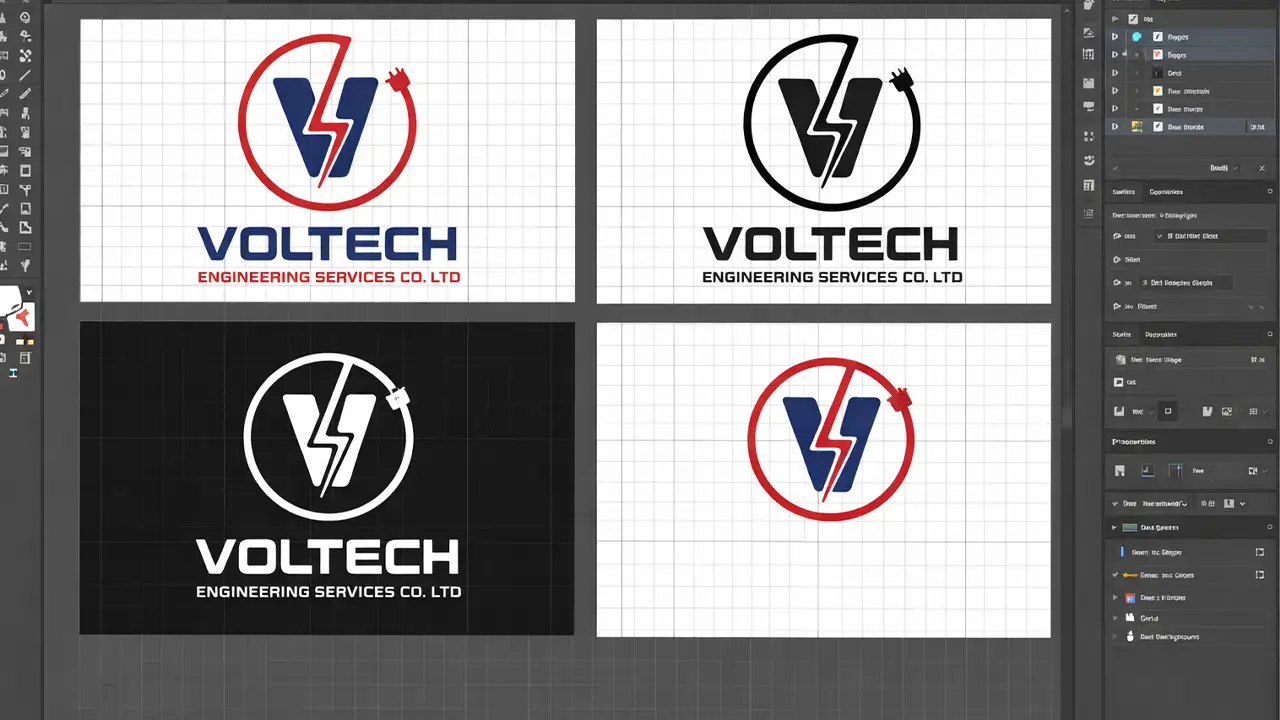
Your logo should work in full color, black and white, on light backgrounds and on dark backgrounds. It should also be delivered in vector and production-friendly formats such as AI, EPS, SVG, PDF and PNG. If the only version available is a screenshot or low-resolution JPG, printing and fabrication problems usually start immediately. For a proper build, see our Logo Design Kampala service.
3. Build a Brand Identity System Beyond the Logo
Branding is not complete when the logo is approved. What really creates a recognisable business identity is the system around it. That includes approved colors, typography, logo handling rules, layout style, image treatment and consistency across communication materials.
This becomes especially important when your business uses different touchpoints such as packaging, signage, social media graphics, staff materials and promotional prints. Without a defined visual system, the brand starts changing from one item to another. For a more structured build, review our Corporate Brand Identity Design Kampala page.
For businesses that also need templates for regular communications, our Brand Template Design Kampala service helps create consistent layouts for internal and external use.
4. Create Brand Guidelines Before Rollout
One of the most overlooked parts of branding is the guidelines document. This is what protects the identity once more people begin using it. Whether you have staff, printers, event vendors or sign fabricators involved, everyone needs one source of truth.
A useful brand guideline should cover spacing around the logo, minimum sizing, approved color variations, font hierarchy, incorrect usage examples and layout references. This becomes even more important when the business is growing, onboarding teams or rebranding across multiple materials. You can explore our Brand Guidelines Design Kampala service if you want this handled professionally.
5. Check Packaging and Product Presentation Early
If your business sells physical products, packaging is not a side issue. It directly affects shelf appeal, credibility and brand perception. A strong logo placed on weak or inconsistent packaging still creates a weak impression.
Ask whether your packaging reflects the level of business you want to project. Check if the label layout is clear, if the production files are correct, and whether the visual style matches the wider brand identity. For businesses packaging goods for retail or distribution, our Packaging Design Kampala and Product Label Design Kampala services are especially relevant.

6. Confirm Print-Ready File Preparation
Many branding problems appear only when materials go into production. A design may look fine on screen, but if the files are not prepared correctly, the printed result can fail. Wrong dimensions, missing bleed, RGB color mode and poor export settings are common causes.
Before sending files for printing, confirm the final size, 300 DPI image quality where needed, bleed allowance, correct CMYK color mode and a proper print-ready PDF export. If you need support with layout refinement or artwork production, our Print-Ready Artwork Kampala and Graphic Design Kampala services can help. When production is next, our Printing Services Kampala page is the natural follow-through.
Businesses comparing budgets can also review our Printing Services Pricing page and, for design budgeting, our Graphic Design Pricing page.
7. Do Not Ignore Signage and Physical Visibility
Branding does not stop at documents and digital assets. For many Kampala businesses, the first real public expression of the brand is physical visibility: shop signage, office panels, lightboxes, directional signs, window branding, vehicle branding and event displays.
At this stage, consistency matters. If the logo, color system and layout style were well planned, they will carry naturally into visibility materials. If not, the physical rollout starts to look improvised. For this side of execution, look at our Signage and Branding Kampala, Outdoor Advertising Kampala, Event Branding Kampala and Vehicle Branding Kampala pages.

8. Keep Office and Corporate Materials Consistent
For many businesses, trust is built through the everyday items clients actually receive and interact with. This includes letterheads, business cards, envelopes, stamps, company profiles, receipt books and other official print materials. When these items are inconsistent, the business can look disorganised even if the main logo is good.
This is where branded stationery becomes part of your reputation, not just administration. If your business needs these materials prepared properly, visit our Branded Stationery Uganda page. For profile documents and presentation materials, our Company Profile Design Kampala and Presentation Design Kampala pages are also relevant.
9. Be Clear Whether This Is Startup Branding or Rebranding
The checklist changes slightly depending on whether the business is new or already operating. A startup often needs a clean foundational package: logo, identity, stationery basics and visibility planning. An established business may instead need a structured rebrand that protects recognition while improving how the company appears.
If you are launching from scratch, our Startup Branding Packages Kampala page is a useful route. If your business is already active and needs a better, more modern or more structured identity, see our Rebranding Services Kampala page.
10. Plan Brand Rollout, Not Just Design Approval
The final stage many businesses forget is implementation. Once the identity is approved, what gets updated first? Social media? Stationery? Signage? Packaging? Company profile? Event displays? Merchandise? Without a rollout order, the brand can remain half-updated for months.
A simple rollout plan creates consistency and avoids scattered spending. This is especially helpful when branding touches several categories at once, including print, signage, digital assets and promotional items. For businesses handling implementation across several materials, our Brand Rollout Management Kampala service is built for that process. If your rollout includes uniforms or giveaway items, our Custom Merchandise Uganda page may also be useful.
Need help deciding what comes next?
If you already know this project may lead into logo design, packaging, signage or print production, we can help you choose the right starting point and keep the rollout more consistent from the beginning.
Relevant Case Studies From Our Portfolio
These two portfolio examples connect closely with the checklist above because they show how branding moves from planning into real-world rollout, packaging and practical execution.
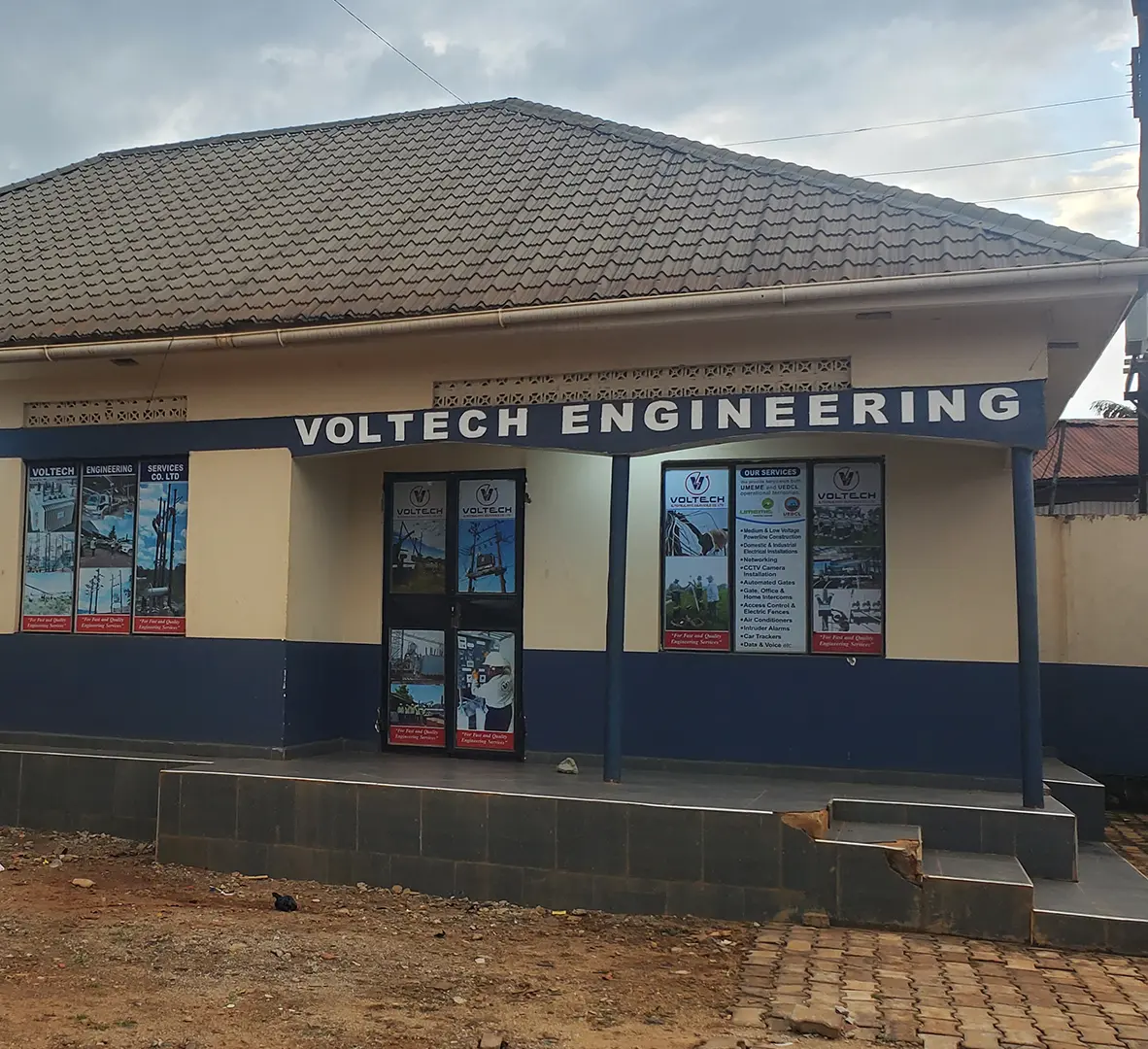
Voltech Engineering — Branding & Office Rollout
Useful for readers thinking about visual consistency, office branding, signage application and how a business identity carries into practical branded environments.

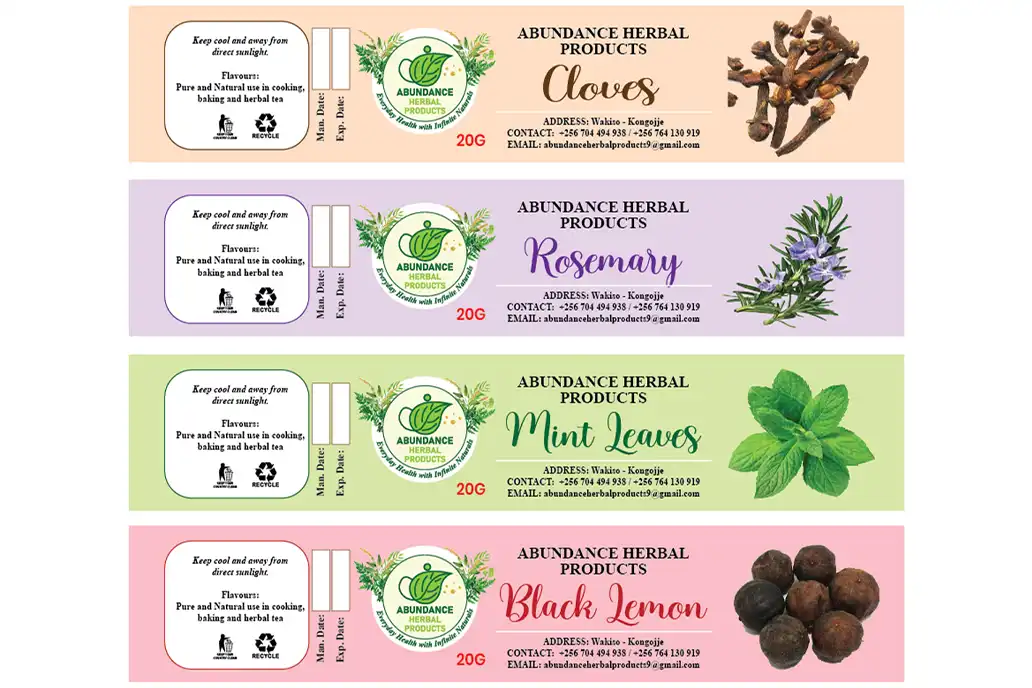
Abundance Herbal Products — Packaging & Brand Collateral
Especially relevant for businesses checking packaging, labels, printed brand materials and the relationship between identity design and shelf-ready presentation.
Branding Checklist Summary
Before hiring a branding company in Kampala, confirm that you have clarity on positioning, logo requirements, identity rules, brand guidelines, print-ready preparation, visibility materials, office documentation and rollout priorities. When these pieces are aligned, branding becomes far more effective and much easier to execute professionally.
Ready to move from planning into action?
Whether you need a logo first, a fuller brand identity, or support across print and signage, we can help you start from the right point and build outward.
Related Posts
These articles are useful if you want to keep reading before choosing the kind of branding, printing or signage support you need.
3D Signage vs Light Boxes in Uganda
Compare two popular signage styles and understand when 3D letters or illuminated light boxes work best.
Signage Cost in Uganda
A practical look at the factors that influence signage pricing, materials, lighting and installation.
Best File Formats for Printing in Uganda
Learn which design file formats work best for professional printing and how to avoid blurry or incorrect prints.
Flyer vs Brochure Printing Kampala
Understand the differences between flyers and brochures and when each format works best for marketing.
Related Services
If you already know what you need next, these are the most relevant service pages from this guide.
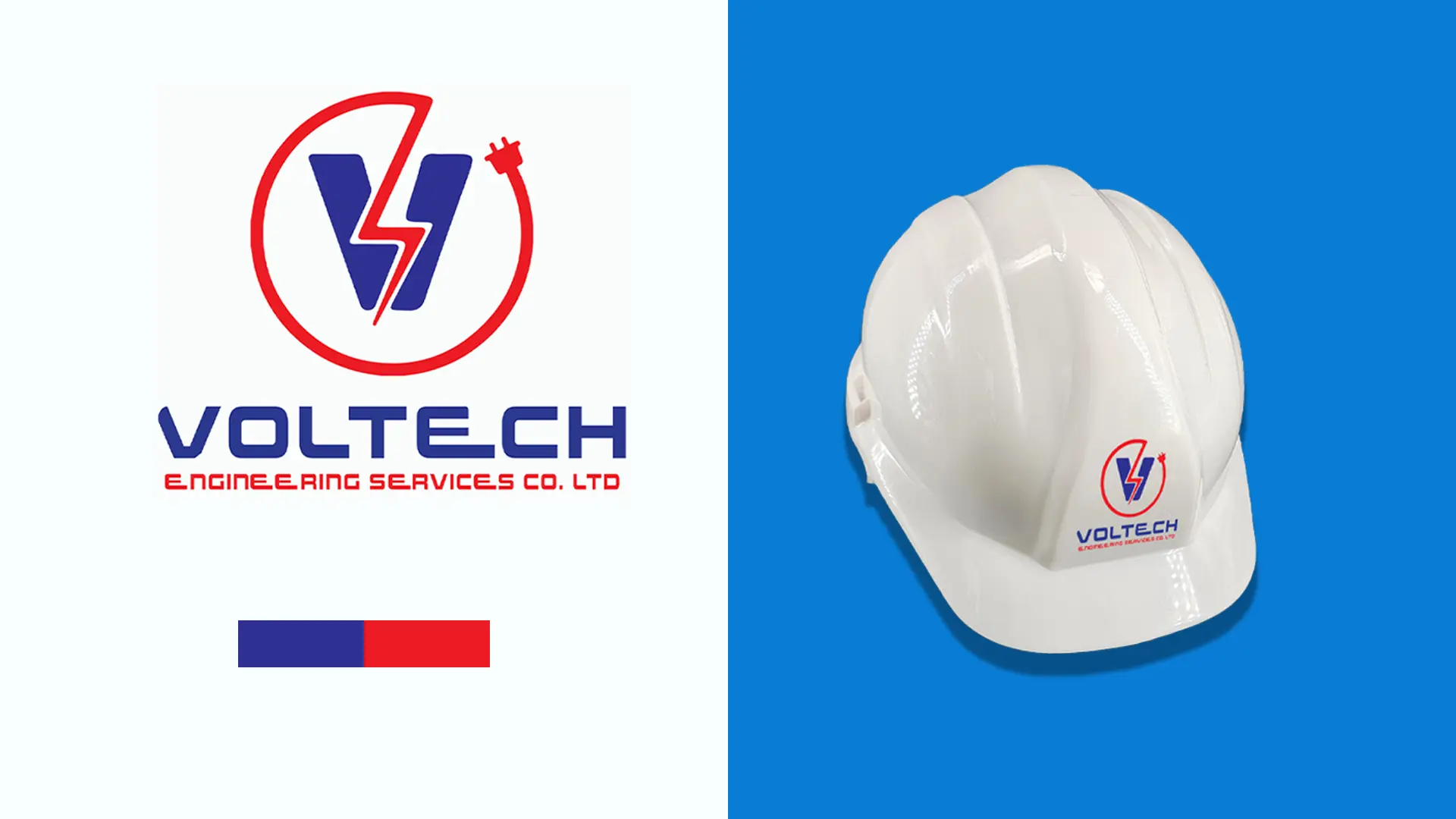
Logo Design Kampala
For businesses that need a professionally built logo with proper source files and practical usage formats.
Brand Guidelines Design Kampala
Useful when the identity needs structure, consistency and clear rules across different materials and teams.
Print-Ready Artwork Kampala
Important when approved branding needs to move cleanly into print, signage or packaging production.
Frequently Asked Questions
What should a business in Kampala prepare before starting branding work?
Start with clarity on audience, business positioning, what makes the business different, and which materials need to be branded first. That foundation makes logo design, brand identity development and rollout planning much more effective.
Is a logo enough for a complete business brand?
No. A logo is only one part of the system. A strong brand also includes color control, typography, layout style, usage rules and implementation across real business materials. That is where corporate brand identity design and brand guidelines become important.
Why do print-ready files matter so much?
Because they reduce production errors and help maintain quality across stationery, signage, packaging and other printed items. Good production files protect both appearance and cost, which is why many clients also need print-ready artwork support before moving into printing services.
What usually gets branded after the identity is approved?
Most businesses move into stationery, social media assets, company profile materials, signage, event materials, packaging or merchandise depending on the nature of the business. Relevant next steps often include branded stationery, signage and branding, event branding and custom merchandise.
About the Publisher
Kamog Artistry (U) Ltd is a Kampala-based branding, graphic design, printing and signage company supporting businesses, institutions and event teams across Kampala, Wakiso, Mukono and Uganda.
We publish guides like this to help clients understand what to think through before a project starts, especially where branding, printing, signage, packaging and rollout work connect.
If you would like to learn more about the company or see the kind of work we handle, you can explore the pages below.